
- The way they move around the house indicates stability issues
- The kitchen indicates memory loss or not eating properly
- Stacked mail indicates memory loss or money problems
- Mood changes indicate isolation and depression
One of the biggest worries of aging parents is not to upset their adult children. This is why they tend to hide when incidents like falling, bills stacking on the counter, or stiffness of the body happen. This is why the signs aging parents need help can rarely be found in a phone call.
An odd phone call may or may not hide something. If you feel that your parent is acting weird on the call, maybe it’s time for a face-to-face visit. Here are some signs that you need to pay attention to.

Why Do Parents Hide Things?
The main reason parents hide things is that they don’t want to leave their house. The AARP’s 2024 Home and Community Preferences Survey reveals that over 75% of adults over 50 want to stay in their own home even when they get older. They see admitting that they need help as the first step towards a nursing home. This is why every phone call starts with “I’m fine”.
So, instead of trying to catch them with the lie, start noticing the patterns:
- Messy house on a regular basis;
- A drawer full of unpaid bills;
- An empty fridge;
- Several doctor appointments missed.
If you notice one of several of them, it is a sign that your parent is going through a slow decline. However, this does not mean they are unable to look after themselves anymore, or that they are prone to getting worse and worse. From this point on, it is important to observe more and react accordingly.

Signs Aging Parents Need Help in How They Move
Usually, the first signs aging parents need help start with the movement. Observe how your parent crosses the living room. If they trail their hand along the wall, pause at the back of the couch, and reach for the counter before entering the next room, and do this every time you visit, it’s a sign that they have a balance issue. It doesn’t necessarily mean it’s something major, but it’s something that needs attention.
Losing balance can lead to falls, and this is the main cause of injury and hospitalization for adults over 65, according to the CDC.
It’s important to know that balance became an issue for your parent when you notice one or several of the following:
- Your parent avoids going up the stairs;
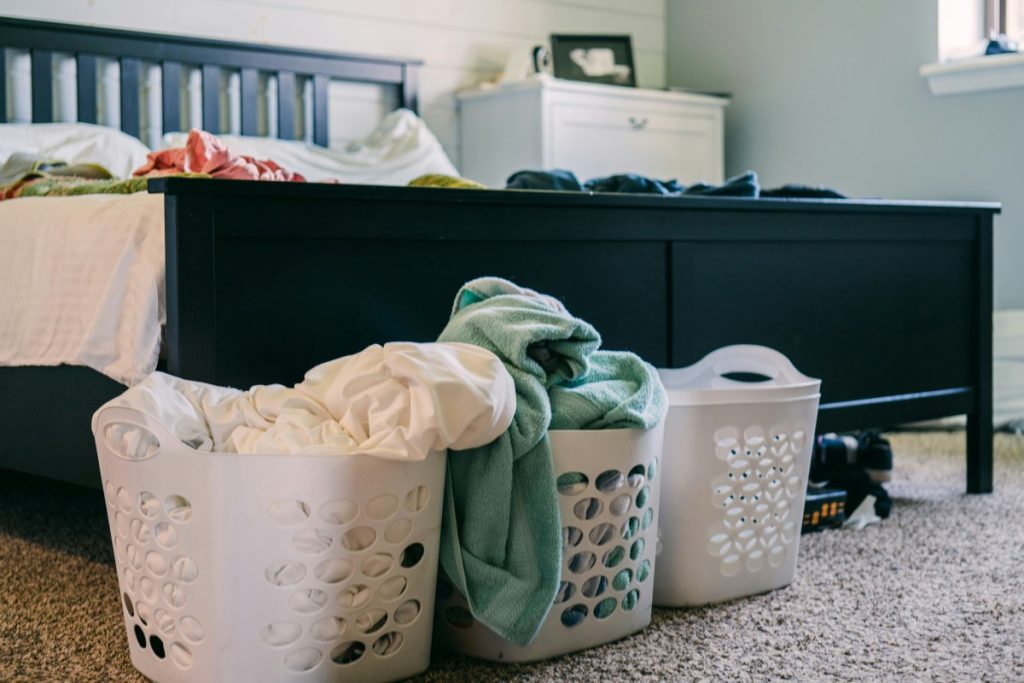
- The laundry is left downstairs rather than carried upstairs;
- There are fresh bruises on the arms or legs.
This usually happens when they slide their feet instead of lifting them. In this case, a loose rug or a raised threshold can become major issues.
The best solution in this case is to adapt the house according to the current needs of your parents. We talked more about different solutions in this article.
What Are the Signs Behind the Kitchen and the Mail?
You can find more signs aging parents need help in the kitchen. Here’s what you need to check out:
- Products past due in the refrigerator;
- Products gone soft in the drawer;
- Half-used bottles of the same products.
If you notice a pattern, this is how you can interpret it:
- Forgotten or expired food can indicate that they are not eating properly or that they skip meals.
- The half-used bottles of the same product show that they don’t remember stuff when they go shopping.
- If the fridge is almost empty, shopping and cooking may be too much of a burden for them.
Remember to check the saucepans as well. If you notice scorch marks on the button, it can be a sign that a burner was left on.
Checking the mail is also important. If you find envelopes left unopened or stuck in drawers, make sure you open them, as they can hide unpaid bills. This can mean that they may be having a financial issue, or they forgot about them. And the more they get, the higher the costs.

What Does it Mean When Their Mood Changes?
Mood changes or memory lapses are among the first signs of early decline. They are easy to skip because they don’t seem important, or you are not looking for the right things. Here’s what you should follow:
- The pill organizer: Are there any missed days? Are there any pill bottles expired?
- Saying the same thing again like it’s the first time during meals
- Missing meetings with friends or waving off invitations
When the elder parent gets tired easily or cannot move as they used to, they tend to isolate themselves, and this can easily lead to depression.
How to Offer Help
Offering help is as important as identifying the signs of decline. The first thing you may be tempted to do is to suggest assisted living, but that would kill the conversation before it starts. It’s also not a good idea to point out all the things you noticed, because it will make them feel bad, shut them down, and only make them want to hide things better.
Instead, be fair about your concerns and tell them you want to know they are safe. Then, according to how advanced their decline is, you can suggest one or more of the following:
- Mounting handles and light with motion sensors;
- Moving their room downstairs so they don’t have to climb the stairs several times a day;
- Use passive apps like Parents are OK so you get a notification if their phone remains untouched or if the battery runs low;
- Hire someone for deep cleaning or cooking;
- Agree for grocery delivery so they don’t have to go out every day.
It is extremely important to know the signs aging parents need help and to understand the level of decline in order to offer the best solutions. Otherwise, your parents will feel misunderstood. The faster you do this, the easier it will be to adapt the living conditions to your parent’s needs. And, at the same time, you will feel better, knowing your parent is safe, even when living alone.